Tankless vs. Traditional Water Heater: What Dayton Homeowners Should Know About Water Heater Services
Choosing the right water heater is one of the more important decisions Dayton, OH, homeowners can make. Professional Water Heater Services can help you get it right before you spend a dime. Whether your current unit is aging out or you are building a new home in Kettering, Oakwood, or Beavercreek, understanding the differences between tankless and traditional storage water heaters can save you years of regret. This guide covers how each system works, how Dayton's water conditions factor in, and which type fits different home profiles.
How Each System Works
Traditional tank water heaters store 40 to 80 gallons of water and keep it heated around the clock. They are common in older Dayton homes throughout West Dayton, Huber Heights, and Harrison Township. Hot water is always ready, and the units are straightforward to install and service.
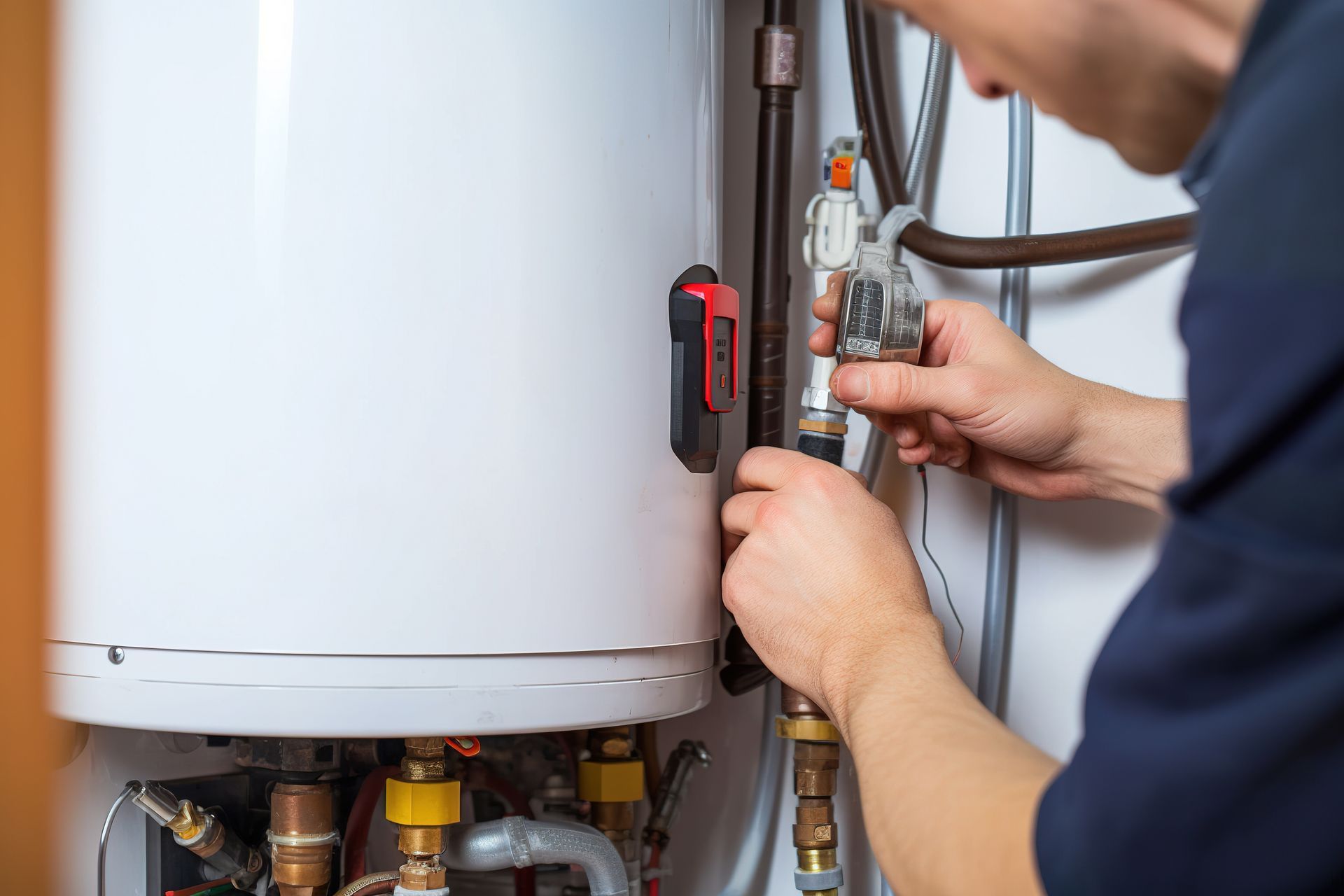
Tankless water heaters heat water only when a tap is opened. Cold water flows through a heating element and reaches the faucet within seconds. They have no storage tank, so they take up much less space and can be mounted on a wall.
What Does Hard Water Do to Each System?
Montgomery County water is softened to about 9 grains per gallon, which is still hard enough for mineral buildup to form inside water heating equipment. Scale from calcium and magnesium reduces efficiency and shortens lifespan in both unit types.
Traditional tank heaters can collect sediment at the bottom over years of use, which reduces efficiency and causes rumbling sounds. Tankless units have heat exchangers that can scale up quickly if water quality is not managed. Homeowners without a water softener should discuss this with a plumber when selecting a unit. Routine Water Heater Services can catch these issues before they lead to early equipment failure.
Upfront Cost vs. Long-Term Savings
Tankless units carry a higher purchase and installation price. Installation may require gas line or electrical panel upgrades, adding to project cost. For households on a tighter budget, a traditional tank water heater is a reliable, lower-cost choice.
Over time, tankless heaters use less energy because they do not keep a full tank hot around the clock. Households with higher daily demand, such as those running showers, laundry, and the dishwasher at once, may see meaningful savings. However, payback periods vary widely by usage and unit efficiency. To compare true long-term value, talk through your household's habits with a licensed plumber offering Water Heater Services in Dayton, OH.
Which Home Profile Fits Each Option?
Tankless may be a good fit if:
▸ Your household uses hot water in multiple locations at different times, not all at once.
▸ You have space constraints and prefer a wall-mounted unit.
▸ You are building a new home or renovating where gas line upgrades are already in scope.
▸ You plan to stay in the home long enough to recoup the higher upfront cost.
Traditional tank may be a good fit if:
▸ Your home runs several hot water demands at the same time, such as showers, laundry, and a dishwasher.
▸ You prefer a lower upfront installation cost.
▸ You need a quick replacement for a failed unit.
▸ Your home already has the infrastructure in place for a standard tank unit.
Can a Tankless Unit Handle a Large Family in Dayton?
A single tankless unit can sometimes struggle with simultaneous high-demand usage. A plumber may recommend a larger unit or a two-unit configuration. Talk through household size and usage habits during a Water Heater Services consultation so the system is not undersized.
How Long Does Each Type Last in Montgomery County?
Traditional tank heaters typically last 8 to 12 years depending on water quality, maintenance, and usage. Tankless units can last longer with proper upkeep, including periodic descaling to address mineral buildup. Annual Water Heater Services for either type helps maximize useful life and protect your investment.
Does Ohio Have Rebates for Tankless Water Heaters?
Energy-efficient water heaters may qualify for utility rebates or federal tax credits depending on the unit's efficiency rating and installation year. Check with your local utility provider and a tax professional for current eligibility. A plumber familiar with local incentive programs can also point you in the right direction.
When Should I Call a Plumber Instead of Deciding on My Own?
If your current unit is more than 10 years old, makes unusual noises, produces discolored water, or fails to keep up with demand, schedule a professional assessment. A licensed plumber can evaluate your setup, test your water, and recommend the right system for your home and budget.
Ready to Make the Right Call for Your Dayton Home?
Choosing between tankless and traditional is not a one-size-fits-all decision. The right answer depends on your home's layout, hot water habits, water quality, and budget. Merrell Plumbing Inc. has been serving greater Dayton since 1976, offering trusted water heater services for residential and commercial customers. Call (937) 435-1222 or contact the team online to schedule your free assessment today.