Tankless Water Heater Installation in Dayton, OH — Is It Worth the Cost?
If your water heater is getting close to the end of its useful life, you've probably started seeing the words "tankless" everywhere. The promise sounds good: endless hot water, lower energy bills, and a unit that outlasts a standard tank by a decade or more. But tankless systems cost more upfront — sometimes significantly more. So is the switch actually worth it for Dayton homeowners?
Here's an honest look at what tankless water heater installation costs in Dayton, what you'll realistically save, and how to decide if it's the right call for your home.
How Tankless Water Heaters Work — and Why It Matters for Costs
A tankless unit — also called an on-demand or instantaneous water heater — heats water only when you turn on a tap or appliance. There's no storage tank keeping 40 to 50 gallons of water hot around the clock. When demand stops, the unit shuts off.
That design eliminates standby heat loss, which is the energy a traditional tank burns keeping stored water warm even when nobody in the house is using it. Standby loss is the main reason tankless systems are more energy-efficient than tank models.
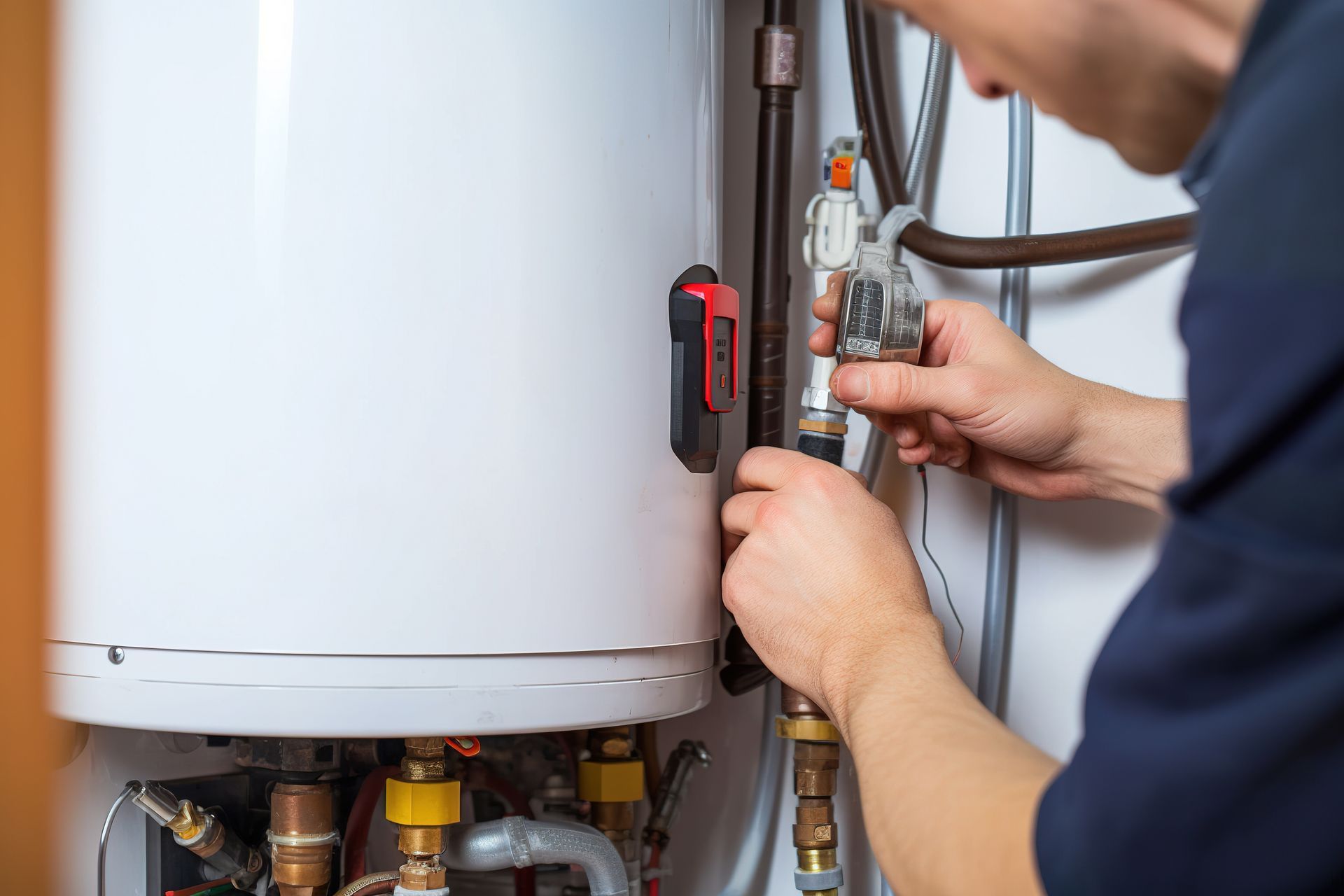
The trade-off is installation complexity. Converting from a tank to a tankless system often requires gas line resizing, new venting, or electrical panel work — and that additional labor is a real part of the upfront cost.
What Does Tankless Water Heater Installation Actually Cost in Dayton?
Nationally, whole-house tankless water heater installation runs between $1,800 and $5,500 in 2025, with gas units averaging $2,700–$5,500 and electric units averaging $1,800–$4,200. Installation labor typically accounts for 40%–55% of the total project cost.
Here's what drives that range:
Fuel type. Gas tankless units deliver higher flow rates and lower operating costs, but they require proper venting and often a larger-diameter gas supply line — your existing half-inch line may need to be upgraded to three-quarter-inch. Electric models cost less to install but can require a 100–150-amp dedicated circuit and, in some cases, a panel upgrade.
Converting from tank to tankless. If your home is set up for a traditional tank, the conversion work — new venting, gas line resizing, or electrical upgrades — pushes total cost toward the higher end of those ranges.
Unit size and GPM. A shower draws roughly 2.5 gallons per minute (GPM); a clothes washer, around 3.3 GPM. A properly sized whole-house system needs enough GPM capacity to handle simultaneous demand. Dayton's colder incoming groundwater temperatures mean you'll need a unit with a higher GPM rating than the same house would need in a warmer climate.
Permits. Most Ohio municipalities require a permit for water heater installation. Budget $50–$500 depending on local code requirements.
What Are the Real Energy Savings?
The U.S. Department of Energy estimates tankless water heaters are 24%–34% more energy-efficient than conventional storage tank models for homes using 41 gallons or fewer of hot water daily. For higher-use households pulling around 86 gallons per day, the efficiency advantage narrows to 8%–14%.
In dollar terms: the average American household spends roughly 13% of its total energy bill on water heating. An ENERGY STAR-certified gas tankless water heater can save a family of four approximately $95 per year on gas bills — about $1,800 over the unit's lifetime — compared to a standard gas-fired tank.
Those are meaningful numbers, but they take years to accumulate. The honest calculation is that tankless makes the most financial sense when you're comparing the full lifespan of each system — not just the first year or two.
Tankless vs. Tank: The Lifespan Difference Changes Everything
A standard storage tank water heater typically lasts 10–15 years. A properly maintained tankless unit regularly lasts 20 years or longer, and most parts are individually replaceable.
That means over a 20-year window, a Dayton homeowner with a tank heater may purchase and install two units — paying installation costs twice. A tankless owner pays more upfront but absorbs one installation over that same period.
There's also a flood risk factor worth knowing. When a 50-gallon tank fails, that water has to go somewhere — often a basement or utility room floor. Insurance industry data puts the average water heater flood at $4,000–$10,000 in damage. Tankless units don't store water, so catastrophic flooding essentially can't happen the same way.
Is Tankless Right for Your Dayton Home?
Tankless installation makes strong practical sense if:
- Your current tank is 10+ years old and approaching the end of its life
- Your household regularly runs out of hot water during peak demand
- You want a long-term investment and won't be selling the home in the next few year
- Your existing gas line and venting can accommodate the conversion without major infrastructure work
A quality tank replacement may make more sense if:
- Your hot water usage is low and the efficiency gap is smaller
- The conversion to tankless requires significant electrical or gas line upgrades that push total cost well above the national average
- Your budget requires a lower upfront spend
The right answer depends on your home's specific setup. That's not a hedge — it's the actual variable that changes the math most.
What Merrell Plumbing Does Differently for Dayton Installations
Merrell Plumbing has served Dayton, OH and the surrounding area since 1976. Owner Mark Merrell is a master plumber, and the company holds Ohio Construction Industry Licensing Board license PL.11065. The team installs and services electric, gas, tankless, and hybrid water heater models, and sends technicians for continuing education to stay current on the latest installation standards and code requirements.
When a Dayton homeowner calls about tankless installation, Merrell's licensed plumbers evaluate the home's existing infrastructure — gas line diameter, venting configuration, electrical panel capacity — before recommending a system. That assessment matters because the right-sized unit installed correctly is what delivers the efficiency and lifespan numbers on paper.
Merrell carries major-brand water heaters in stock and will also install units customers have already purchased. Same-day service is available, and emergency after-hours repairs are offered on weekends.
Tax Credits and Rebates Available in Ohio
ENERGY STAR-certified gas tankless water heaters currently qualify for a federal tax credit of up to 30%, with a maximum credit of $600. Some state and utility programs offer additional rebates for qualifying high-efficiency systems. Ask when you schedule your estimate — the available incentives shift, and a licensed plumber familiar with local programs can point you to current options.