Water Installation Permits in Dayton, OH: What Homeowners Should Check
This article explains when a water installation may need a permit in Dayton, OH, and what homeowners should check before work begins. A permit and inspection protect the homeowner, the property, and the people who use the system later. Rules differ by project, so the details below are a starting point rather than a substitute for confirming requirements with the local building department.
Why Permits Matter for Water Installation
A water installation touches several systems at once: water supply lines, drains, fuel or electrical connections, and venting. Permit rules exist so that a qualified inspector can review that work before the system goes back into service. Skipping the permit step can cause problems when a home is sold, when an insurance claim is filed, or when a later repair uncovers unapproved work.
Homeowners should not assume that every project needs a permit. The requirement depends on the scope of the job, the type of unit, and the local code in effect.
Confirm the Current Rules Before Work Begins
Start by contacting the City of Dayton building and inspection office, which can explain the current requirements for a given project. The state code also governs many plumbing and gas connections in Ohio, so a plumber familiar with those standards can help confirm what applies. Ask for the requirements in writing when possible.
Keep a record of the answer. A short note with the date, the person who answered, and the requirements can save time if questions come up during the project. Timing matters too, because an inspection can be booked only after the work is ready, so the project schedule should leave room for review.
What a Permit May Cover
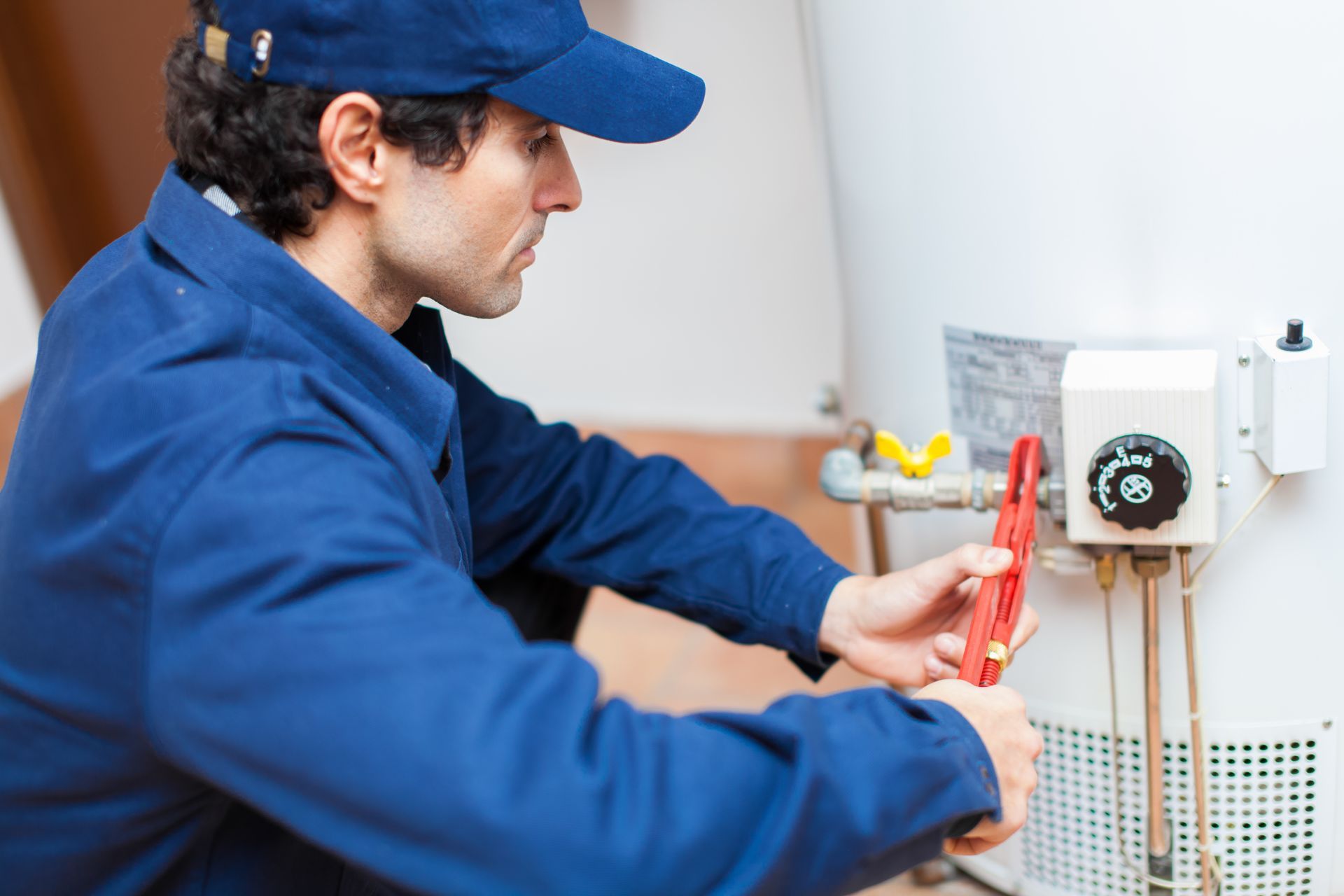
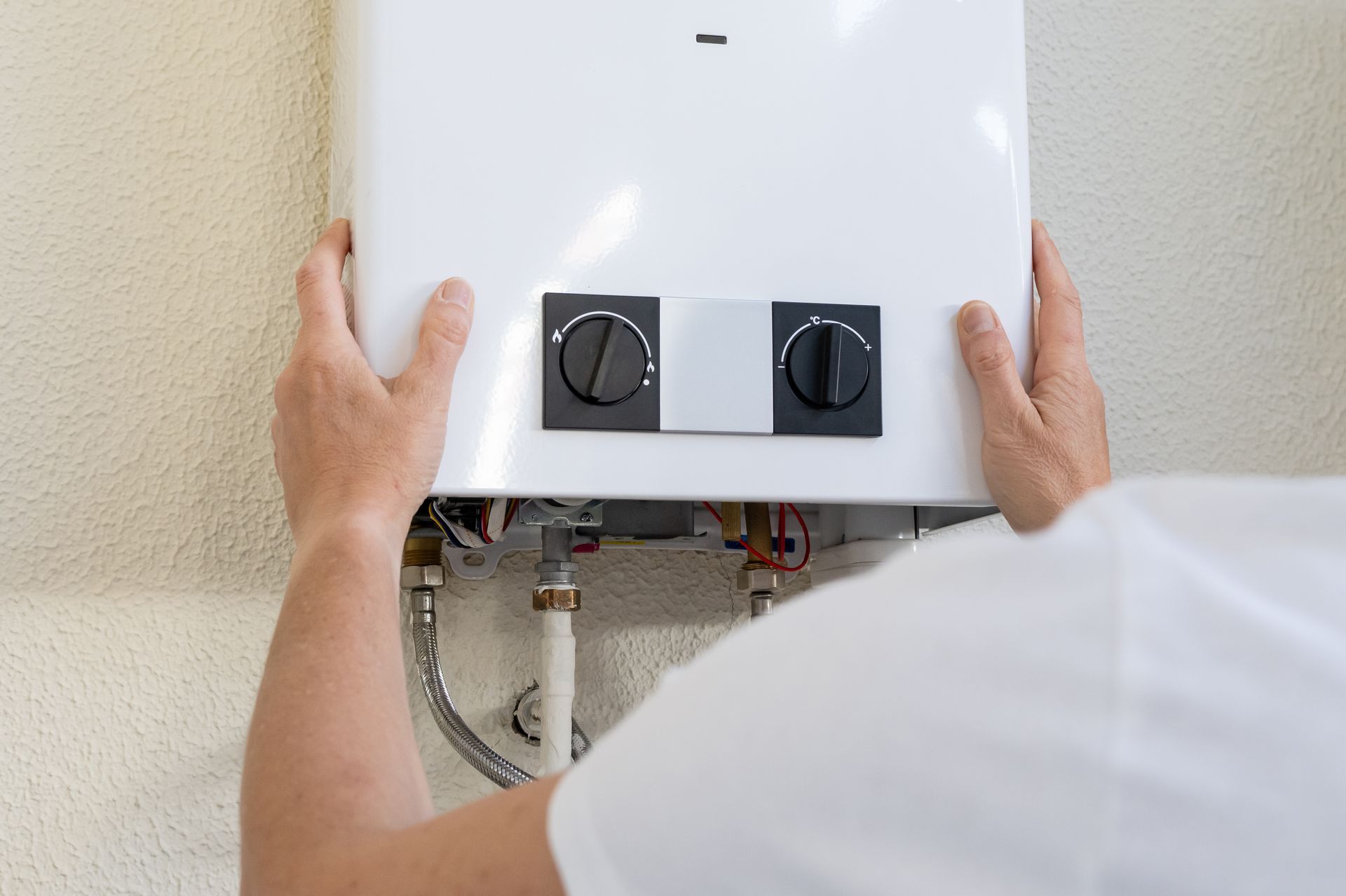
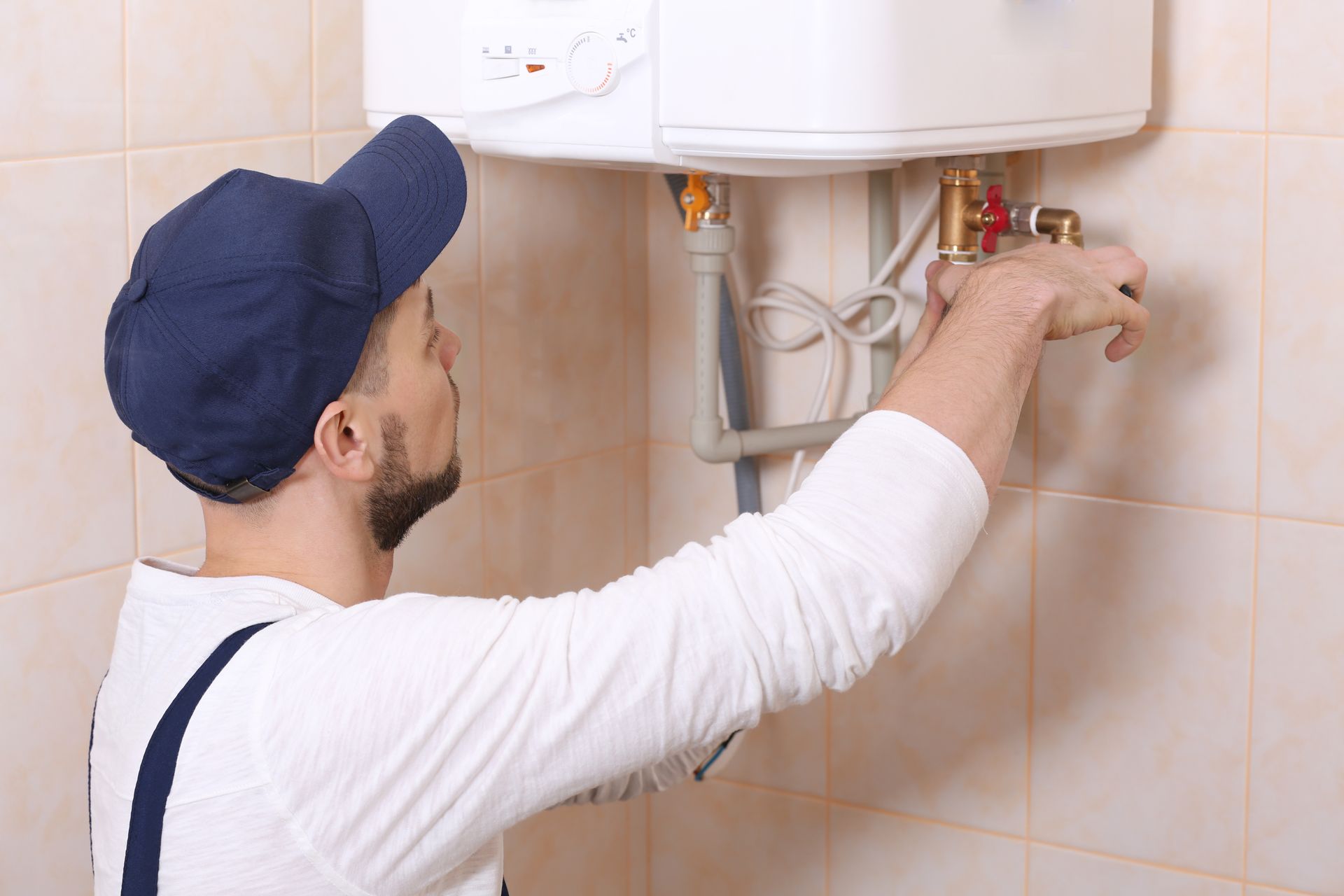
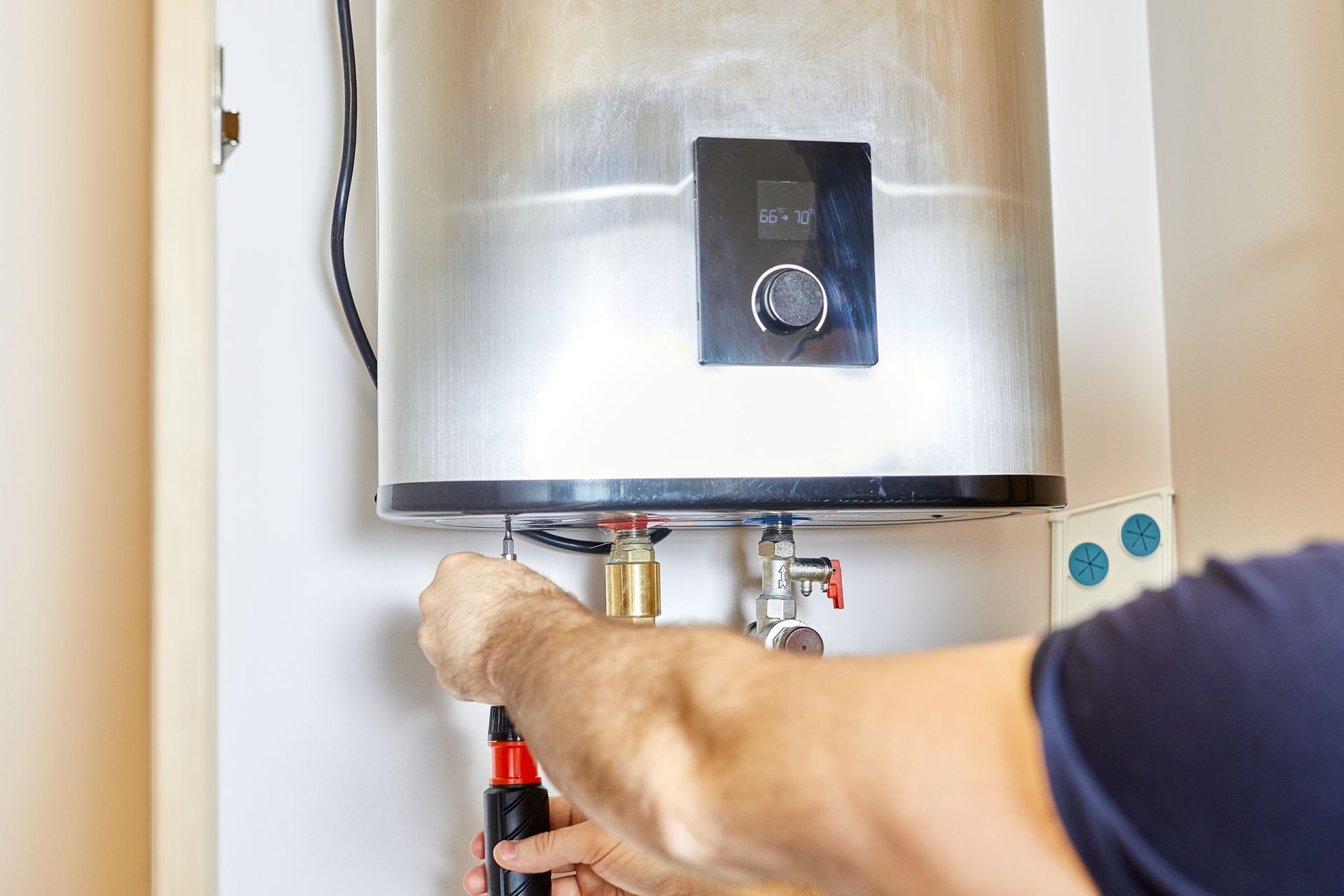
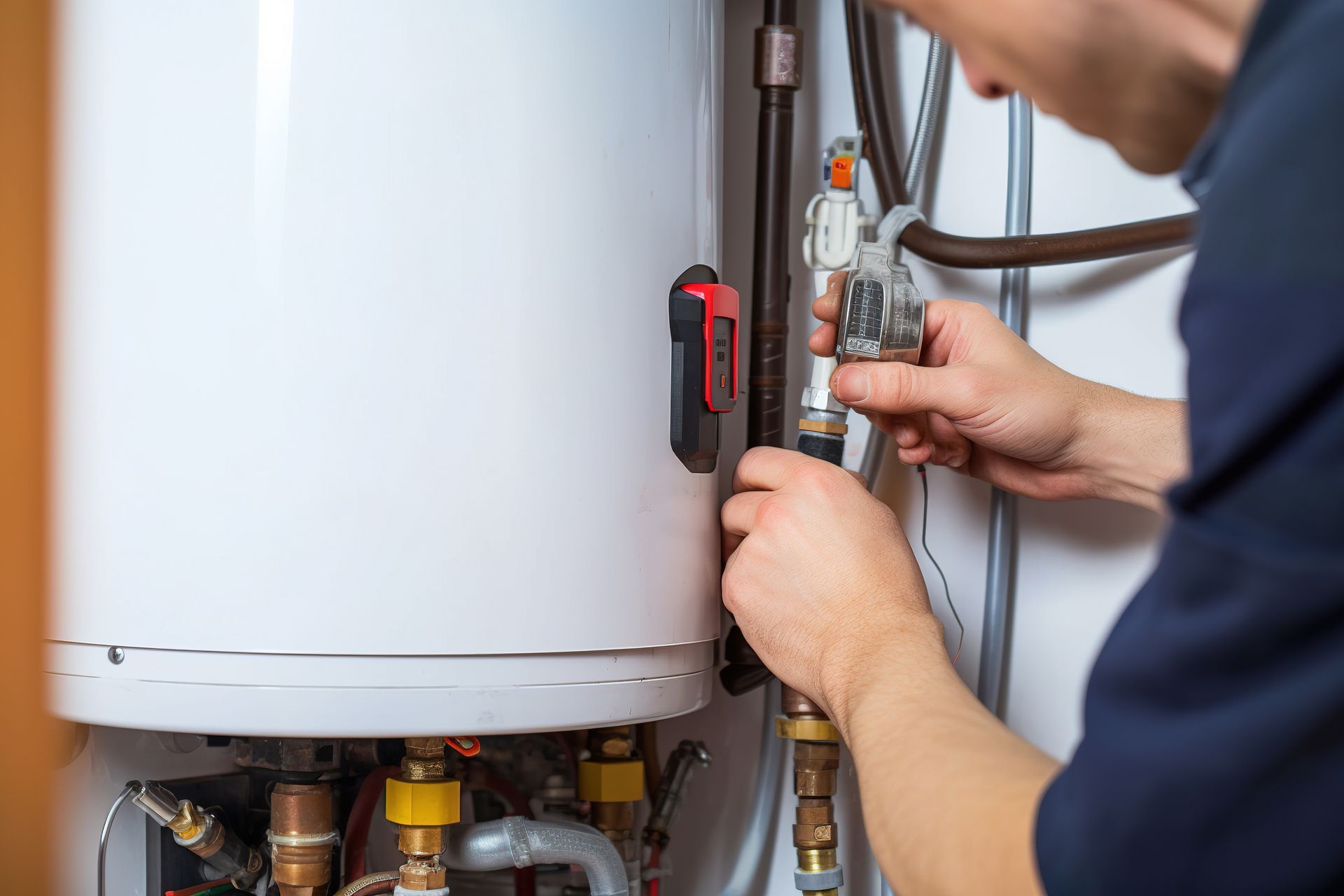
A permit may cover the replacement of a water heater, a new water line, or changes to a gas or electrical connection. It may also cover venting, drain connections, or the location of the unit. Each of these items can affect the safety of the finished system, which is why inspectors review them.
Some smaller repairs may not need a permit. A licensed plumber can explain which parts of the job fall under the permit and which do not, so the homeowner is not surprised by an inspection requirement mid-project.
How Inspections Fit Into the Project
Inspections usually happen at specific stages. An inspector may review the rough-in work before walls are closed and the final connections after the unit is set. Scheduling the inspection early keeps the project moving, since many jurisdictions require the work to be ready before the inspector arrives.
Homeowners should plan for these visits. Some projects need more than one inspection, and a homeowner who expects that from the start avoids surprises in the schedule. Provide clear access to the work area, keep pets and children away from the inspection, and have the permit documents available on site.
Questions to Ask Your Plumber About Permits
Who Pulls the Permit for a Water Installation?
Ask the plumber who will apply for the permit and who will schedule the inspection. A licensed contractor often handles this step, but the homeowner should confirm the arrangement in writing before work starts.
What Happens if the Inspection Fails?
A failed inspection means the inspector lists the items to correct. The plumber makes the repairs and schedules a re-inspection. Ask how the contractor handles correction work and whether it adds time or cost to the project.
Does a Permit Affect Insurance or a Home Sale?
Unpermitted work can complicate an insurance claim or a home sale. Keeping the permit record and the final inspection approval in a safe place helps the homeowner show that the work was done under code.
Common Permit Mistakes to Avoid
Several mistakes come up often in water installation projects. Avoiding them keeps the work on schedule and the paperwork in order.
- Starting the work before the permit is issued.
- Assuming the old permit covers a different unit or a new location.
- Hiring a contractor who does not confirm who pulls the permit.
- Covering rough-in work before the inspector has reviewed it.
- Losing the final approval record after the project is complete.
Each of these can add delay or cost. A short conversation with the plumber and the building office at the start prevents most of them, and it costs far less than correcting finished work.
Plan a Water Installation With Confidence
A well-planned water installation starts with the right questions. Confirm the current permit rules, ask the plumber about inspections, and keep the records together. Merrell Plumbing Inc. works on water heater installations and repairs in the Dayton area, and its team can explain what a project involves before any work begins.
To talk through a project, call (937) 228-6039 or contact the team online. The water heater services page has more detail on the team's installation work.